- Artikel
What does a commercial kitchen cost? A guide to budgeting, equipment, and installation
Learn about the costs of commercial kitchen equipment, ventilation, installation, and kitchen design for restaurants, cafés, hotels, and foodservice businesses.
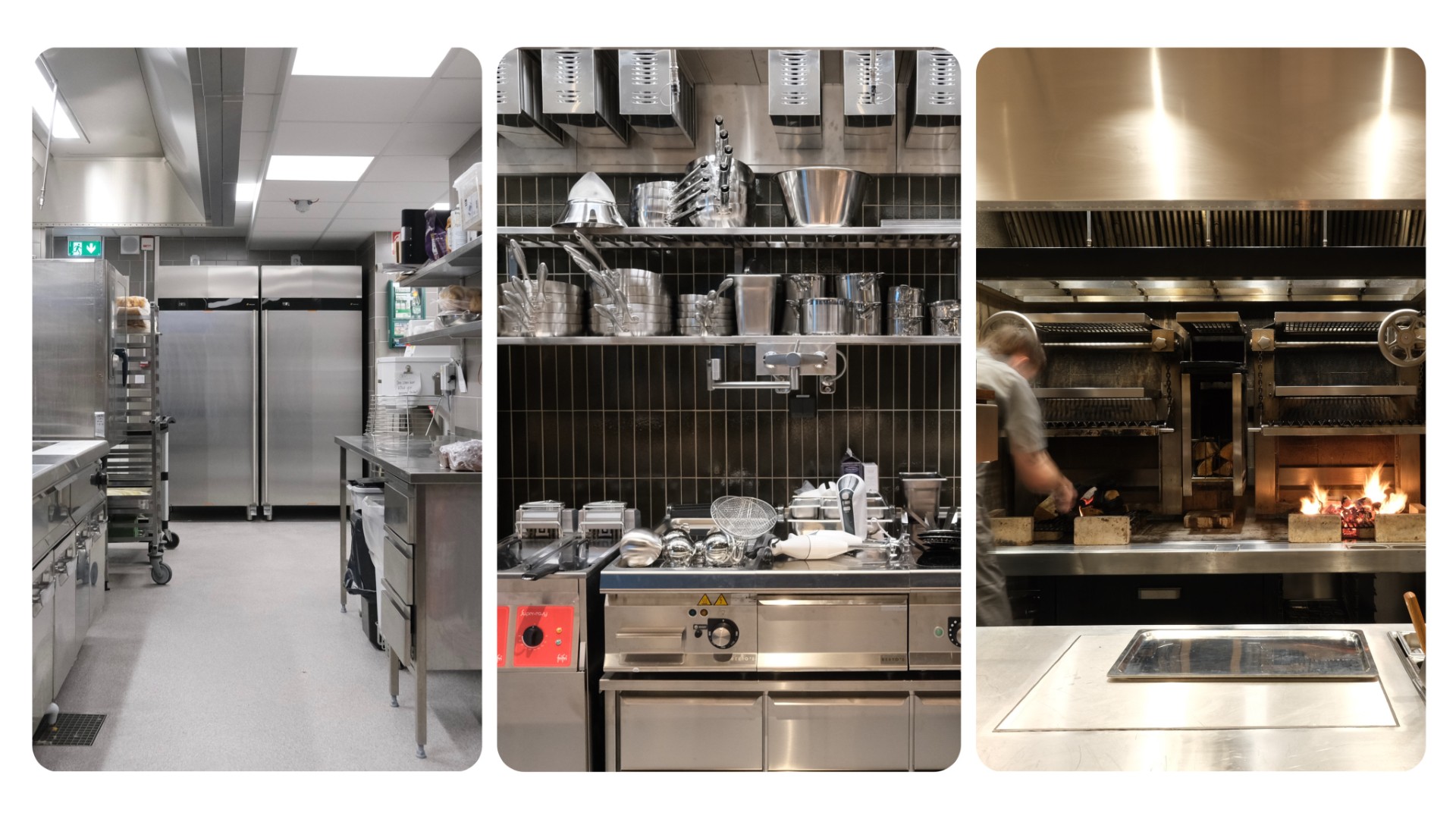
One of the most common questions we receive from restaurant owners, hoteliers, and entrepreneurs planning a new hospitality business is:
What does a restaurant kitchen cost?
The short answer is that the investment can range from a few hundred thousand Swedish kronor to several million, depending on the size of the operation, the menu, production capacity, and the equipment selected.
In this guide, we explore the key factors that influence the cost and highlight what you should consider when budgeting for a professional restaurant kitchen.
What affects the cost of a restaurant kitchen?
There is no one-size-fits-all solution when it comes to commercial kitchens. A café has very different requirements from an à la carte restaurant, a hotel kitchen, or a production kitchen.
Some of the factors that influence the overall investment include:
- Kitchen size and the property's existing conditions
- Type of operation
- Number of meals served per day
- Menu complexity
- Choice of equipment
- Ventilation
- Dishwashing and warewashing requirements
- Refrigerated and frozen storage
Installation and kitchen design servicesThe greater the production capacity and the higher the demand for flexibility, the larger the investment is likely to be.
Examples of costs for different types of operations
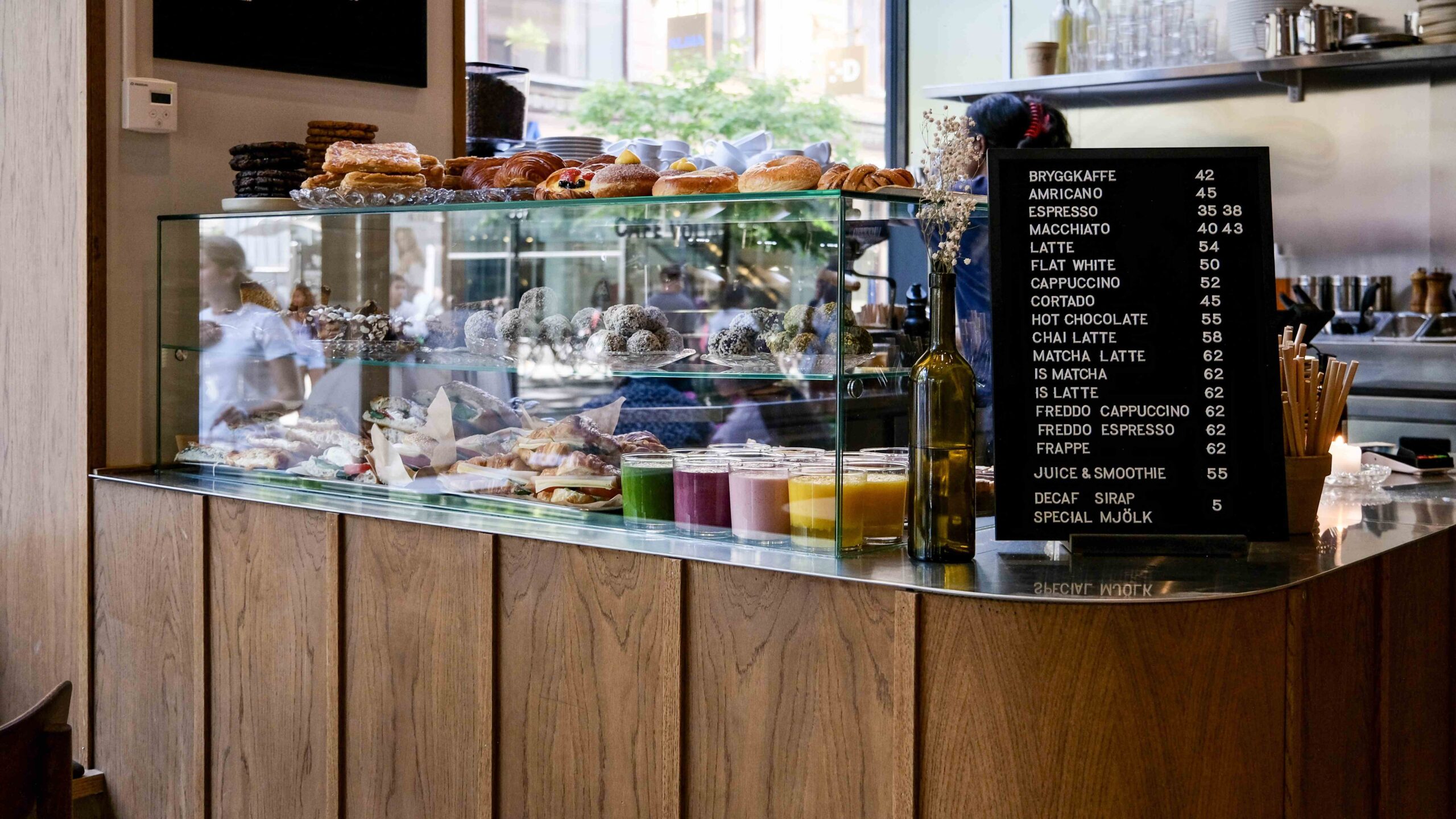
Café or small food service operation
A small café with simple food preparation requirements and limited equipment can often be established for:
SEK 300 000 – 800 000
Typical equipment includes:
- Coffee machines
- Refrigerators and freezers
- Small combi ovens
- Dishwasher
- Worktables
- Service counters and display units
Small restaurant
A restaurant with full food production capabilities typically requires a larger investment.
SEK 800 000 – 2 000 000
Typical equipment includes:
- Cooking line
- Combi oven
- Refrigerators and freezers
- Ventilation system
- Hood-type dishwasher
- Stainless steel workstations
Larger restaurant or hotel kitchen
For hotels, larger restaurants, and high-volume foodservice operations, both production capacity and technical requirements increase significantly.
SEK 2 000 000 – 10 000 000 or more
Typical investments include:
- Custom-built cooking suites
- Multiple combi ovens
- Walk-in cold rooms and freezer rooms
- Advanced ventilation systems
- Complete dishwashing areas
- Serving lines
- Specialised equipment
Installation and design services
In addition to the equipment itself, a number of other costs should be taken into account, including:
- Kitchen design and planning
- Technical drawings
- Electrical installations
- Plumbing works
- Installation and assembly
- Commissioning and start-up
The size and complexity of the project will determine the cost of these services. However, it is important to ensure they are included in the budget from the outset, as they can represent a significant part of the overall investment.
Ventilation – one of the largest investments in a restaurant kitchen
Ventilation is often one of the most extensive and costly elements when establishing a professional restaurant kitchen. In addition to providing a safe and comfortable working environment, the ventilation system must manage heat, cooking fumes, grease particles, and comply with fire safety regulations and local authority requirements.
The cost is influenced by several factors, including:
- The size of the kitchen
- The type of food being prepared
- The number of extraction canopies
- The building's existing infrastructure
- Requirements for air filtration and heat recovery
- Whether existing ventilation systems can be reused
As a general guideline, ventilation costs can range from:
Small café or food service operation SEK 100 000–300 000
Small to medium-sized restaurant SEK 300 000–800 000
Large restaurant or hotel kitchen SEK 800 000–2 000 000
In some projects, particularly in older buildings or where new ductwork and shafts need to be installed, costs can be significantly higher.
Plan ventilation early
Many restaurant projects underestimate the cost of ventilation during the initial budgeting phase. Early collaboration between the property owner, ventilation consultant, and kitchen designer can help avoid costly changes later in the project.
A properly designed ventilation system not only improves the working environment but can also reduce energy consumption, enhance operational efficiency, and extend the lifespan of kitchen equipment.
Grease separators – an often overlooked cost
For most restaurants, cafés, and commercial kitchens, a grease separator is required to prevent fats, oils, and food waste from entering the drainage system. A grease separator is not only a practical solution but is often a requirement imposed by local authorities and water utility providers before a foodservice operation can begin trading.
The cost of a grease separator depends on several factors, including:
- The size of the operation
- The number of meals served
- The type of food production
- The property's existing infrastructure
- Whether the grease separator is installed indoors or outdoors
In addition to the grease separator itself, costs typically include:
- Groundworks and excavation
- Plumbing installations
- Design and planning
- Any necessary building modifications
- Ongoing emptying and maintenance
For smaller operations, the investment is often in the region of SEK 50,000–150,000, while larger restaurants, hotels, and production kitchens may need to budget several hundred thousand kronor depending on the scope of the installation.
Consider this during the planning stage
If the premises have not previously been used as a restaurant or foodservice operation, the installation of a grease separator can become one of the more significant unexpected costs within the project.
For this reason, it is important to assess the requirements at an early stage together with the property owner, local authorities, and your kitchen design consultant.
By planning for the grease separator from the outset, you can avoid delays, additional costs, and potential issues during inspections and approvals.
Should you buy new or used equipment?
Used equipment can be a viable option for some businesses, but it is important to weigh the initial purchase cost against factors such as:
- Expected lifespan
- Warranty coverage
- Energy consumption
- Service and maintenance requirements
- Availability of spare parts
Modern equipment is often significantly more energy-efficient than older alternatives, which can lead to lower operating costs over time.
While used equipment may reduce the initial investment, newer machines often offer improved reliability, enhanced performance, and access to manufacturer support and warranty programmes. The right choice depends on your budget, operational requirements, and long-term business goals.
How can you avoid unnecessary costs?
The most common mistakes when establishing a restaurant kitchen include:
- Insufficient production capacity
- Poorly designed or undersized ventilation
- Inefficient workflows
- Inadequate refrigerated storage
- Underestimating dishwashing requirements
By planning your operation based on both current and future needs, you can avoid costly renovations, equipment upgrades, and operational disruptions further down the line.
Investing in proper planning from the outset often results in a more efficient kitchen, lower operating costs, and a better return on investment over the long term.
Invest in the right solution from the start
A restaurant kitchen is a long-term investment that will influence your operation’s efficiency, working environment, and profitability for many years to come.
At Perfecta Storkök, we help restaurants, hotels, cafés, and commercial kitchens with design, kitchen planning, equipment selection, and installation. By combining experience, functionality, and quality, we create tailored solutions that meet the unique requirements of each business.
Contact us if you would like assistance with budgeting, planning, or designing a new restaurant kitchen.
Hear from one of our customers
We join Jesper Svensson from Stureplansgruppen at Freyja, where he shares his experience of working with Perfecta Storkök and reflects on the value of our ongoing partnership over the years.